- Dialogues with Ilirida Krasniqi
Dagmar Dialogues with Ilirida Krasniqi
A study in modern femininity — where restraint, presence, and quiet strength converge.
Welcome to Dagmar Dialogues — an editorial series exploring the intersection of fashion, art, and architecture. A space where we engage with the women who inspire us — through their perspective, presence, and way of moving through the world.
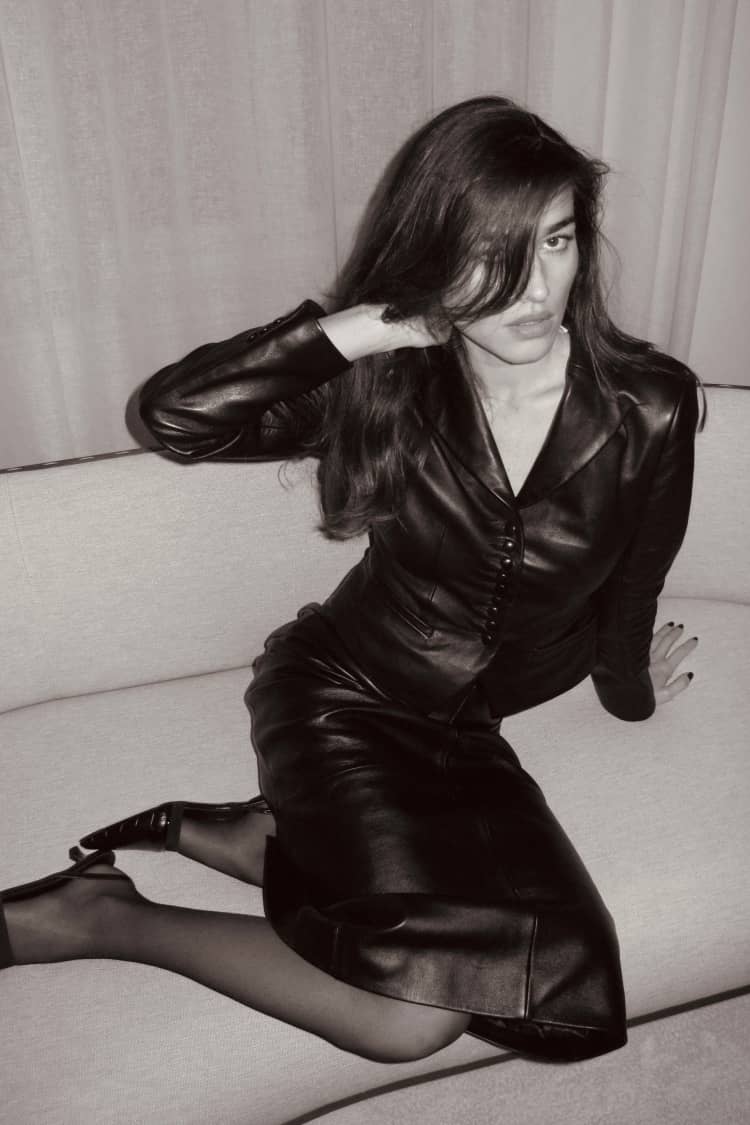
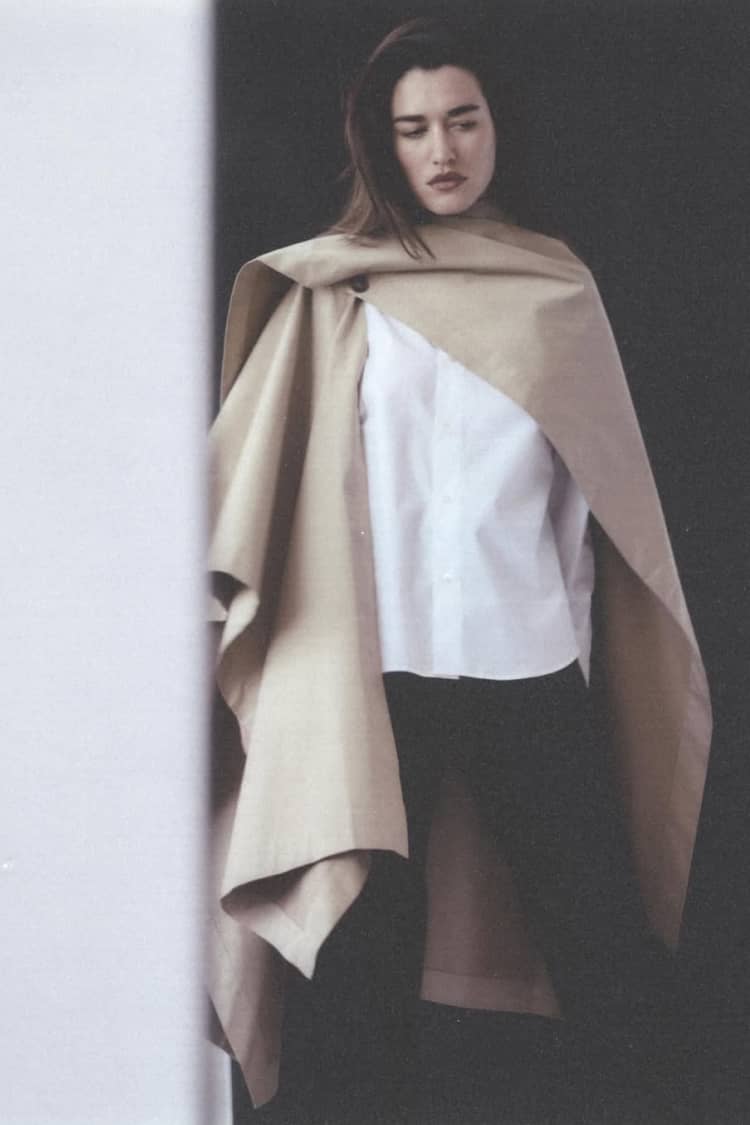
In this chapter, we meet Ilirida Krasniqi — a Copenhagen-based multi-hyphenate balancing a career in dental surgery with a refined presence on the global fashion week circuit. Her aesthetic is defined by restraint, confidence, and modern sophistication, reflecting the conscious, self-assured spirit of the Dagmar woman.
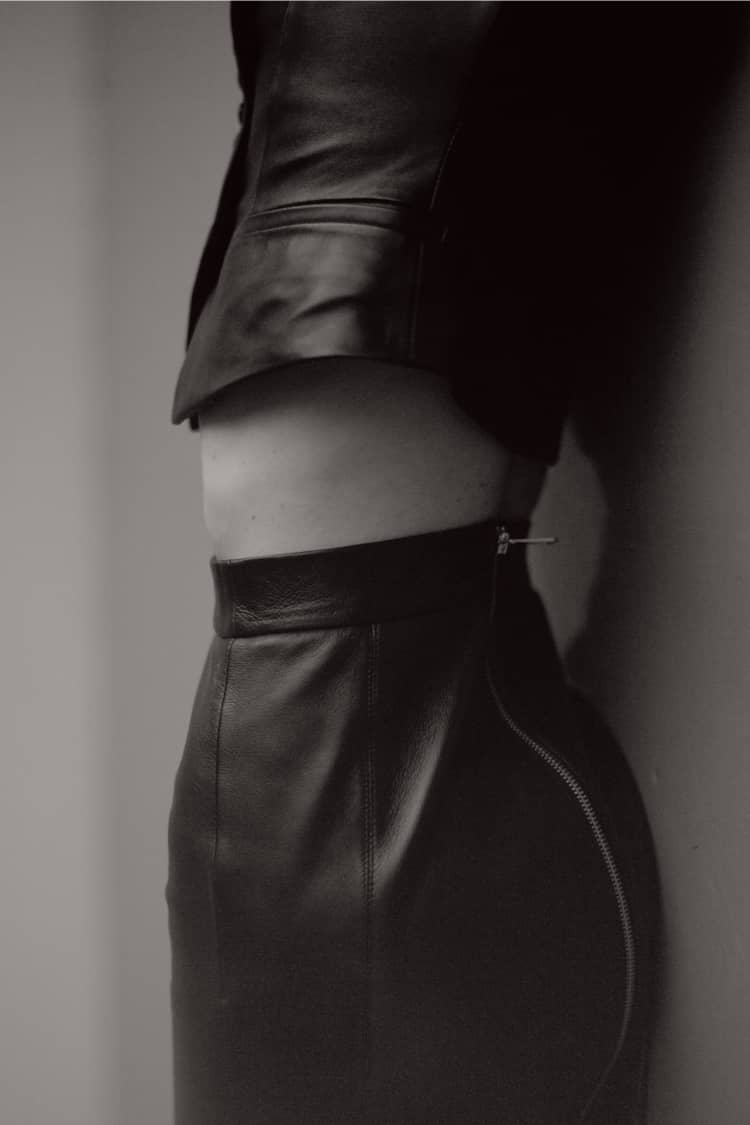
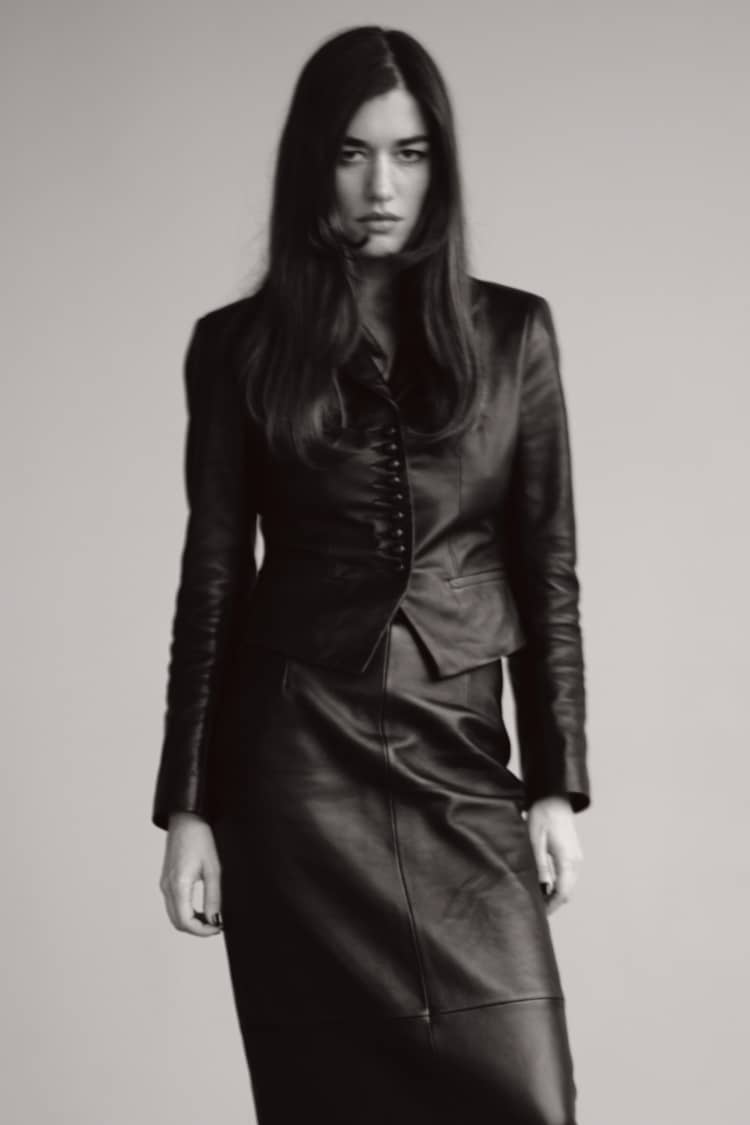
Is there a piece, a garment, an object, or even a place, that has shaped your sense of beauty or design? What draws you to it?
"Growing up and living in Copenhagen has naturally shaped my sense of beauty through Scandinavian minimalism. When I was younger, I loved experimenting, whether it was makeup, interiors, or styling, but over time I found myself drawn to simplicity.
Coming from an Albanian background, where the aesthetic often leans more toward “more is more,” I’ve really appreciated the contrast. In my twenties I’ve learned to embrace my strong Albanian features without relying on too much makeup, to dress in a way that feels effortless and to keep my wardrobe refined and minimal. The Danish way of living has taught me that beauty doesn’t need to be ‘loud’ to be powerful."
Your wardrobe and your interiors speak of quality and longevity, yet you also embrace the pulse of the present. How do you weave timelessness and modernity together in a way that feels true to you?
"Timeless, clean pieces are the foundation of both my wardrobe and my home. But at the same time, I find it slightly uninspiring if everything feels too predictable. I’m very drawn to minimalism, but I think it becomes much more interesting and personal when it’s layered with pieces that stand out or carry a story. That could be something vintage, something unexpected, or something with a bit more character."
In what ways do your wardrobe and your home communicate who you are to the world, and in what ways are they just for yourself?
"I think both my wardrobe and my home naturally communicate a sense of calm, intention, and self-awareness. They reflect my preference for quality over quantity and a love for timeless pieces. At the same time, I don’t consciously separate what is for others and what is just for me, everything I choose feels like a true expression of who I am."
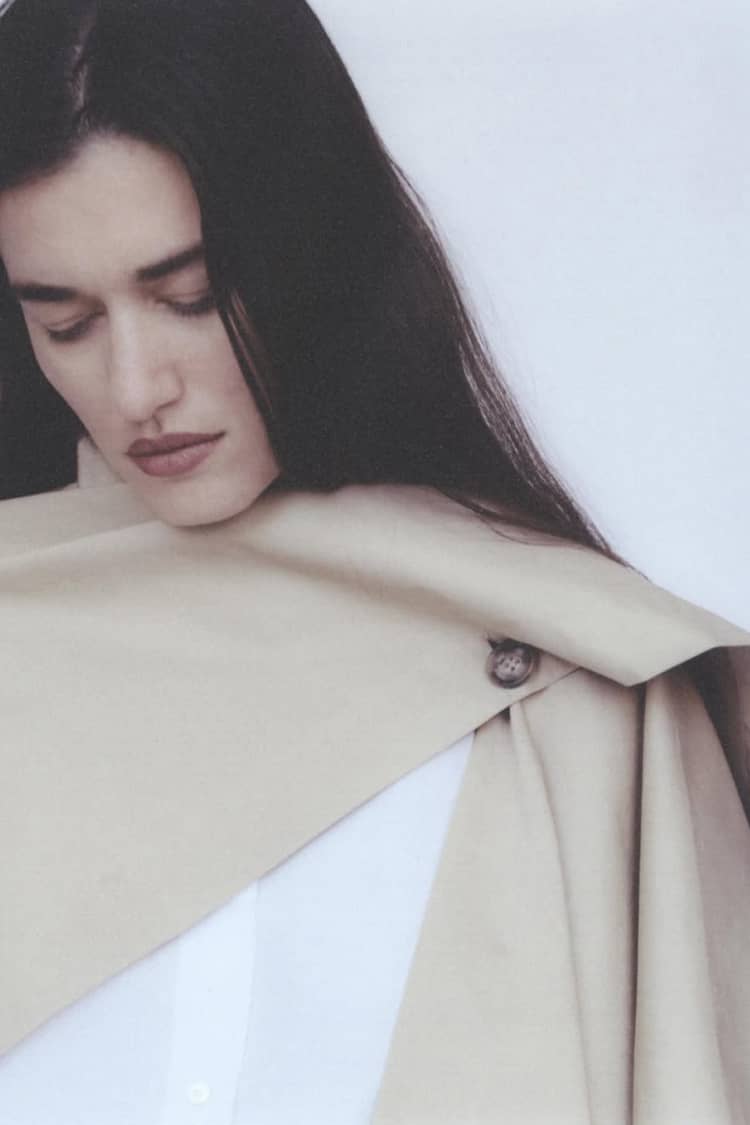
In a world full of fleeting trends and images, how do you cultivate taste that feels personal and intentional rather than performative?
"By choosing vintage and second-hand pieces. Going back into the archives and finding items that already carry a story makes everything feel more intentional. Those pieces bring depth to even the simplest outfit or space.
I also think it’s about slowing down, being more selective instead of constantly consuming new trends. When you don’t feel the need to keep up, your choices become more honest."
How do you define taste?
"To me good taste isn’t loud or forced, it’s subtle, consistent, and deeply personal. I also think it evolves over time, as you grow more confident in your choices and less influenced by external noise."
In your view, what is the role of cultural memory or heritage in shaping contemporary style and interiors?
"For me, my Albanian background brings a sense of richness, warmth, and appreciation for detail, while my life in Copenhagen has introduced a more minimal and restrained approach. The combination of those two influences is what makes my style feel balanced and authentic.
I think contemporary style becomes much more interesting when it’s rooted in something deeper."
Are there books, films, or music that consistently influence your aesthetic choices, even in subtle ways?
"I find myself deeply inspired by films, especially those from earlier eras. Recently, I watched Charade in New York at one of those beautiful old cinemas, featuring Audrey Hepburn, and I was captivated by her looks throughout the film. The mood and visual style made me long to step back in time. I feel the same about In the Mood for Love, it’s an endless source of inspiration in every sense, from its atmosphere to its attention to detail."