- Swedish bronze and metal artist Karolina Hägg
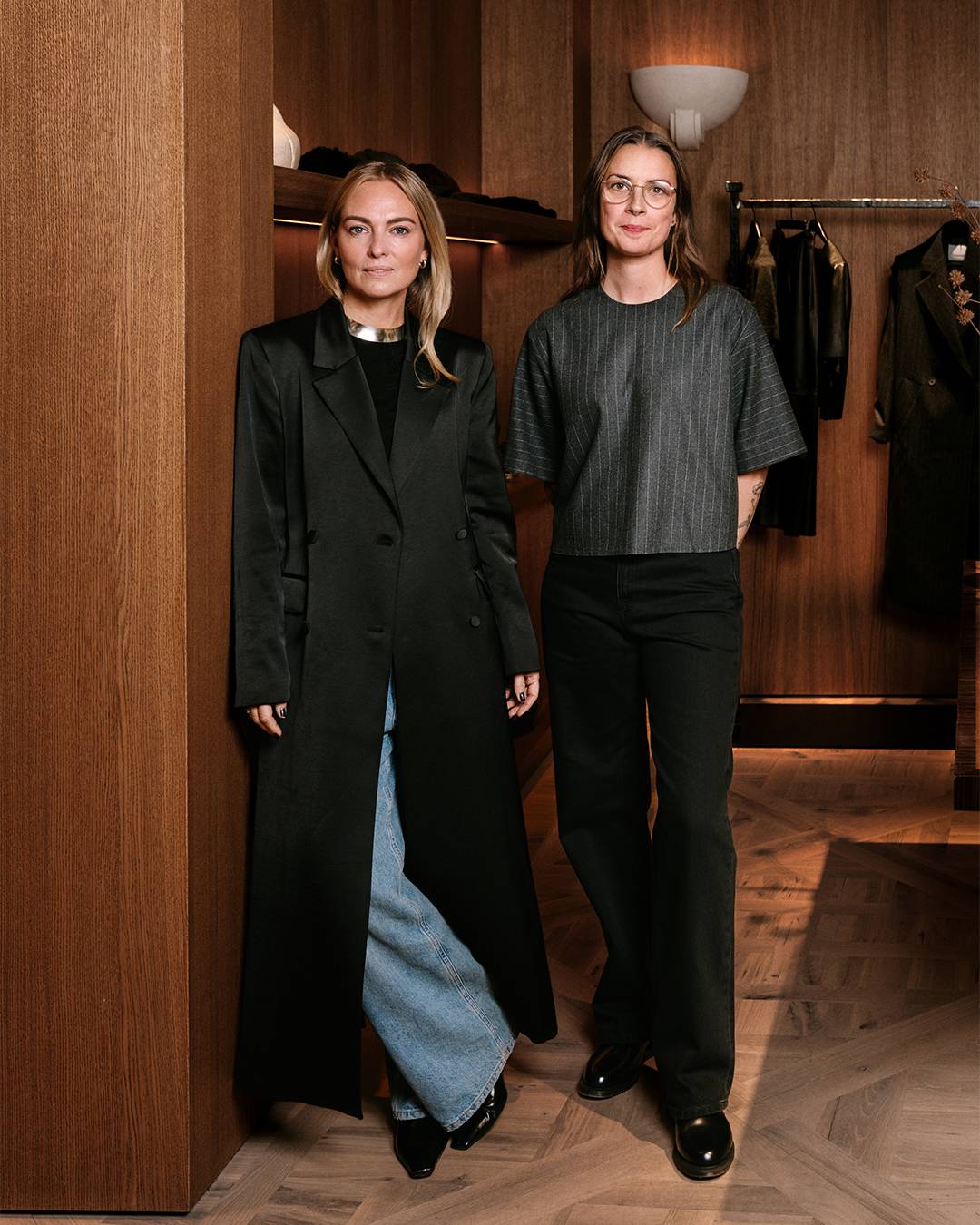
Dagmar Dialogues with Swedish bronze and metal artist Karolina Hägg
Welcome to Dagmar Dialogues, an editorial series where we explore the intersections of fashion, art, and architecture. Here, we celebrate the visionaries — our friends, collaborators, and those whose creativity continues to inspire us.
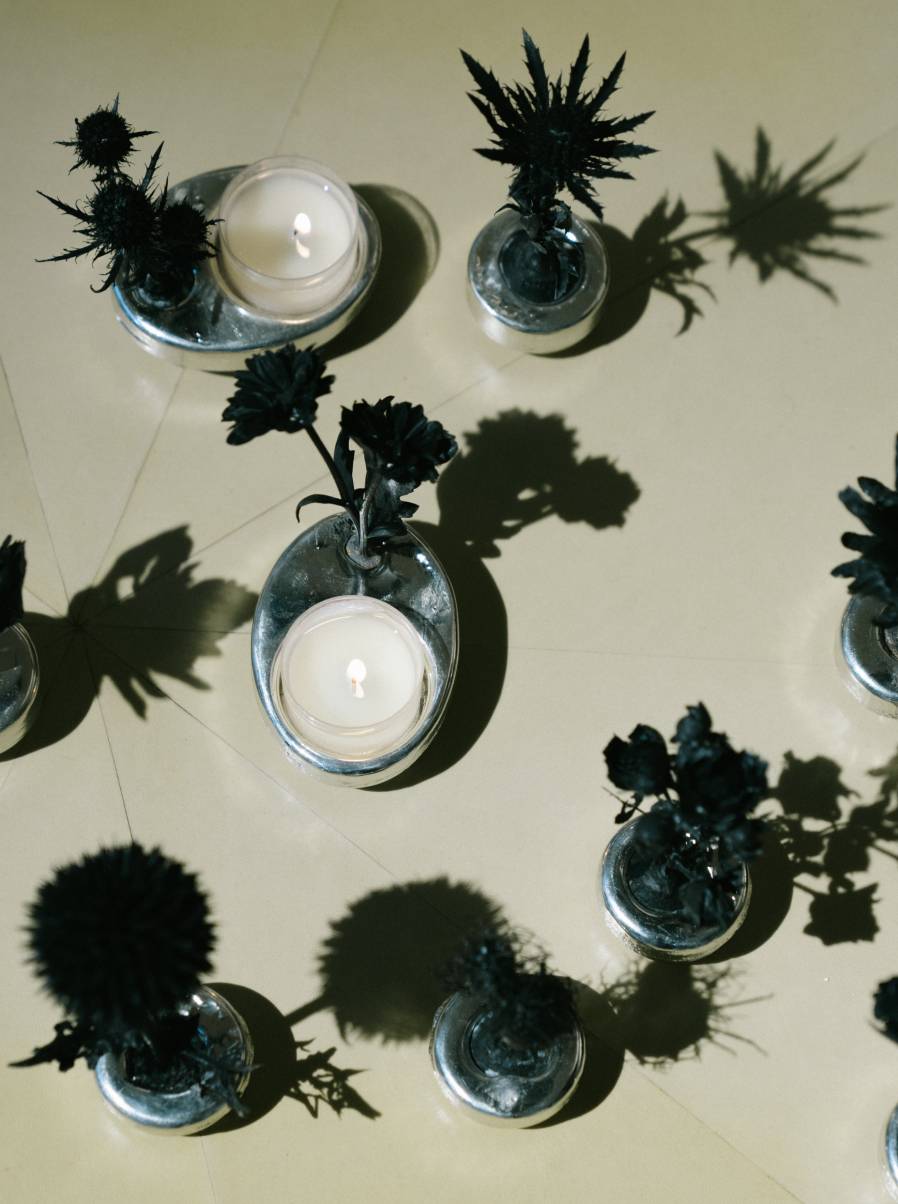
House of Dagmar introduces the latest chapter in its Arts & Objects series – a sculptural collaboration with Swedish bronze and metal artist Karolina Hägg. The partnership gives rise to a limited-edition collection of bronze flowers that capture the tension between beauty and decay, fragility and permanence, softness and strength.

Tell us about the collaboration with House of Dagmar
"For me, it has been like stepping into a new world. I’ve never before been collaborating within the field of fashion or clothing so working with House of Dagmar is an entirely new experience. I am however very interested in materials and their different properties. And I think that’s where our interests align. To me, House of Dagmar is a tribute to craftsmanship, material knowledge, and quality, and that was essential for me as an entry point to this collaboration.
The work has taken place over almost a year and has been characterized by great freedom and trust in each other’s professions. I’m very happy and grateful for the new knowledge this collaboration has brought."
Casting is an ancient, technical process. What draws you to it, and what makes it so exciting for you?
"Casting makes it possible to create copies of existing objects, and I find it incredibly fascinating to transform an object from one material into another. Through this shift in material, I can give the object new qualities.
For me, casting is like three-dimensional photography and just as in a photograph, a moment of time is preserved, something that feels worth remembering."
Your work transforms something fragile and ephemeral into something strong and lasting. What does that process mean to you??
"The project deals with transience and serves as a reminder of being mortal. At the same time, it is about preserving, remembering, and finding something beautiful within the sorrowful.
For the process itself to be possible, I have to pick the flowers when they are at their most water-filled—at the height of their lives. The next step is to encase them in plaster and burn the flower out. After that, I melt the bronze and pour it into the cavity where the flower once was.
When I cast the flower, it disappears, yet becomes eternal at the same time. I remember where each flower was picked, and their blooming periods reveal roughly when in the summer they grew. To me, they are almost like individual entries in a diary."


What inspires you beyond metal and flowers, other art forms, nature, experiences, or philosophies?
"I get inspired by jewelry art. I love the scale, the mix of materials, the high level of craftsmanship, and the fact that it is portable and connected to the body.
What do you hope people feel or think when they experience your pieces?
Almost all of my works are vanitas in one way or another—perhaps not so much in the terms of humanity, but in the terms of nature. I hope that people seeing my art will pause for a moment and notice the details they would otherwise pass by. I hope that the time and care embedded in the work becomes visible in the pieces themselves."
Has a book, exhibition, or artist recently shifted your perspective or resonated deeply with you?
"A while ago, some colleagues and I were invited to Britta Marakatt-Labba’s studio, where she showed us her ongoing works and spoke about her working methods and her beliefs. She put into words an approach to nature that I had felt but had never myself articulated. After that meeting, I felt a new sense of respect and reverence for nature and the materials I take from it."